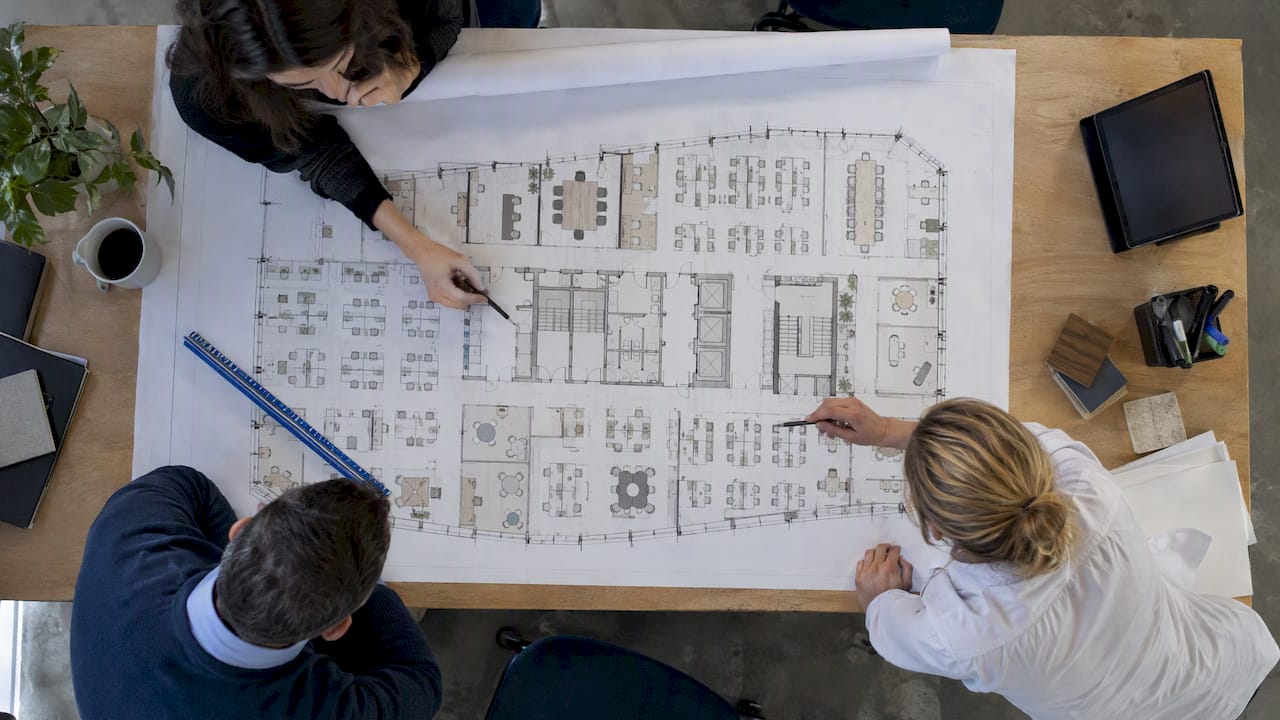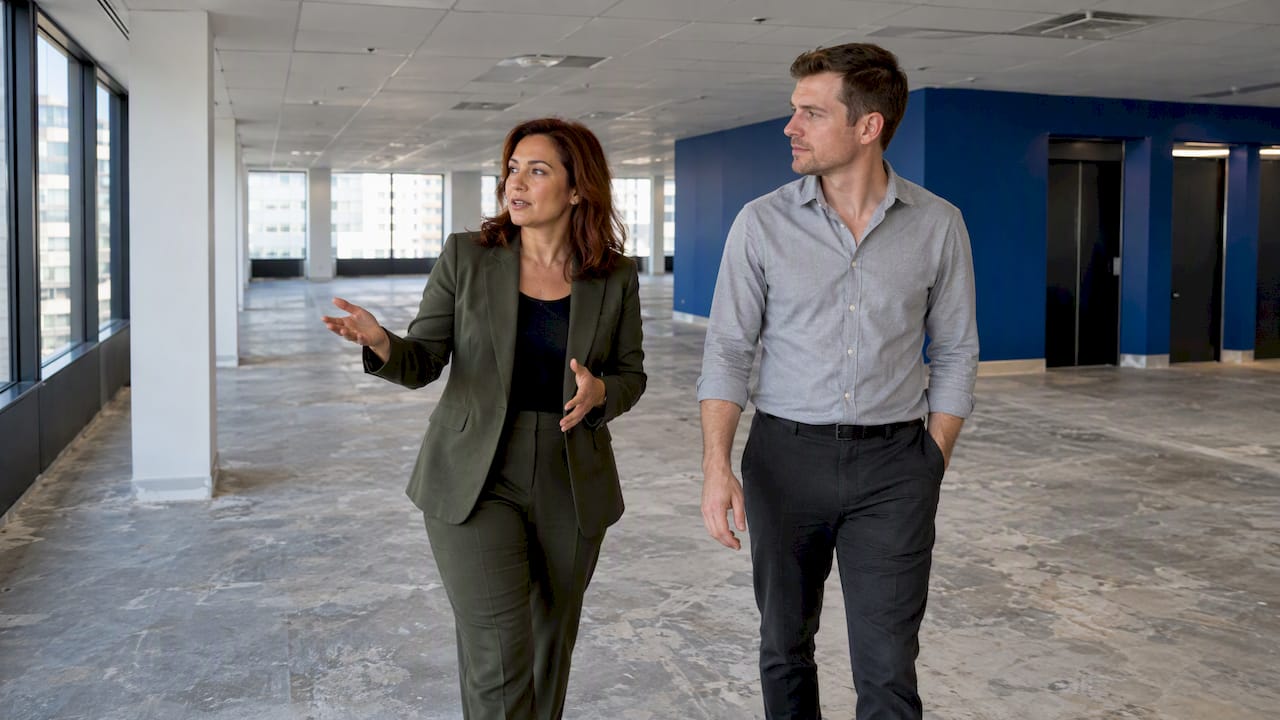
A move readiness assessment is a structured check, done before you commit to a relocation or fitout, of whether your business, your people, your lease and your systems are ready for the change. It finds the gaps while they are still cheap to fix. Done well, it takes a few weeks, involves the right people and ends in a short list of actions with owners and dates, not a report that sits in a drawer.
This guide sets out what to examine, who to involve, how to turn findings into a move plan, and how to check afterwards that the new workplace works. It is written for business owners, executives, HR managers and facilities managers who occupy leased office or warehouse space in Australia.
TL;DR
- A move readiness assessment tests four things before you commit: the business case, the premises and lease, your people, and your systems and logistics.
- Involve executives, managers, staff, finance, IT, facilities and change leads early. Government guidance in Australia is consistent that early involvement reduces resistance.
- Turn findings into a ranked action list tied to the move timeline, with named owners.
- Plan the “soft landing”: support before handover, in the first weeks and for months afterwards, then review the space three to six months after the move.
- Australian employers must consult workers on changes that affect health and safety, and should plan for wellbeing risks early.
Table of Contents
- What a move readiness assessment is, and when to use it
- What a workplace readiness assessment should examine
- Who to involve in the assessment
- Turning findings into a move plan
- Planning a soft landing
- Checking the new workplace after the move
- Australian responsibilities to account for
- How we can help
- FAQ
- Sources
What a move readiness assessment is, and when to use it
Think of it as a pre-flight check. Before a relocation, a renewal that changes your footprint, a consolidation or a move to hybrid work, you ask a plain question: if we went ahead tomorrow, what would break?
The broader practice is usually called a change readiness assessment. The Women’s Gender Equality Agency (WGEA) describes the same idea in a workplace context. It recommends a readiness assessment before developing a workplace flexibility strategy, framed as a systematic diagnosis of the organisation’s current state. A move readiness assessment applies that thinking to a physical move, where the stakes include a lease commitment, a construction budget and a hard cut-over date.
Use one when:
- your lease expiry is 12 to 24 months away and you are weighing renew, relocate or restructure;
- headcount or attendance patterns have shifted and the current space no longer matches how people work;
- you are moving to a hybrid model and need to know what space, technology and management habits it requires;
- a move is already approved and you want to expose risks before contracts are signed;
- a previous move went badly and you do not want to repeat it.
The earlier you run it, the more options you keep. After a lease is signed, the assessment can still protect the move, but it can no longer change the decision. If you are mapping the whole timeline, our office relocation planning playbook shows where the assessment sits among the other milestones.
What a workplace readiness assessment should examine
A workplace readiness assessment covers more than the building. These are the areas we would expect any credible assessment to test, with the evidence that answers each one.
| Area | The question to answer | Evidence to gather |
|---|---|---|
| Business case | What outcome is the move meant to deliver, and how will we know? | Strategy documents, cost and rent comparisons, agreed success measures |
| Space and work patterns | How many people, how often, doing what kind of work? | Badge or sensor data, headcount forecasts, team interviews |
| Lease and property | What are our rights, obligations and exit costs? | Lease terms, make-good clauses, notice dates, incentives |
| People and culture | Do staff understand why, and can they adapt? | Survey results, manager workshops, union or health and safety representative input |
| Technology | What must be live on day one? | Network, cabling, applications, telephony, security and cut-over plan |
| Operations | Which processes cannot stop during the move? | Critical-function list, customer commitments, supplier notices |
| Governance | Who decides, and who is accountable? | Sponsor, steering group, project coordinator, budget authority |
| Wellbeing and safety | What risks does the change create for people? | Risk register, consultation records, support options |
Business case and strategy
Start by confirming what the move is for. A move justified only by cheaper rent often fails on productivity or retention. Write down two or three outcomes that matter to the business, such as collaboration, client experience or cost per seat, and agree how each will be measured after the move. This is the foundation of workplace strategy: property decisions that follow business goals, not the other way round.
Space and work patterns
US state facilities guidance makes a useful point that applies anywhere: assessment data should be synthesised into program requirements and confirmed current and projected headcounts, so the new space matches real work patterns. In practice, measure what people actually do, not what the floor plan assumes. Compare peak attendance with average attendance, note which teams need adjacency, and separate focus work from collaboration. Our article on flexible office strategy covers how attendance shapes lease choices.
Lease and property
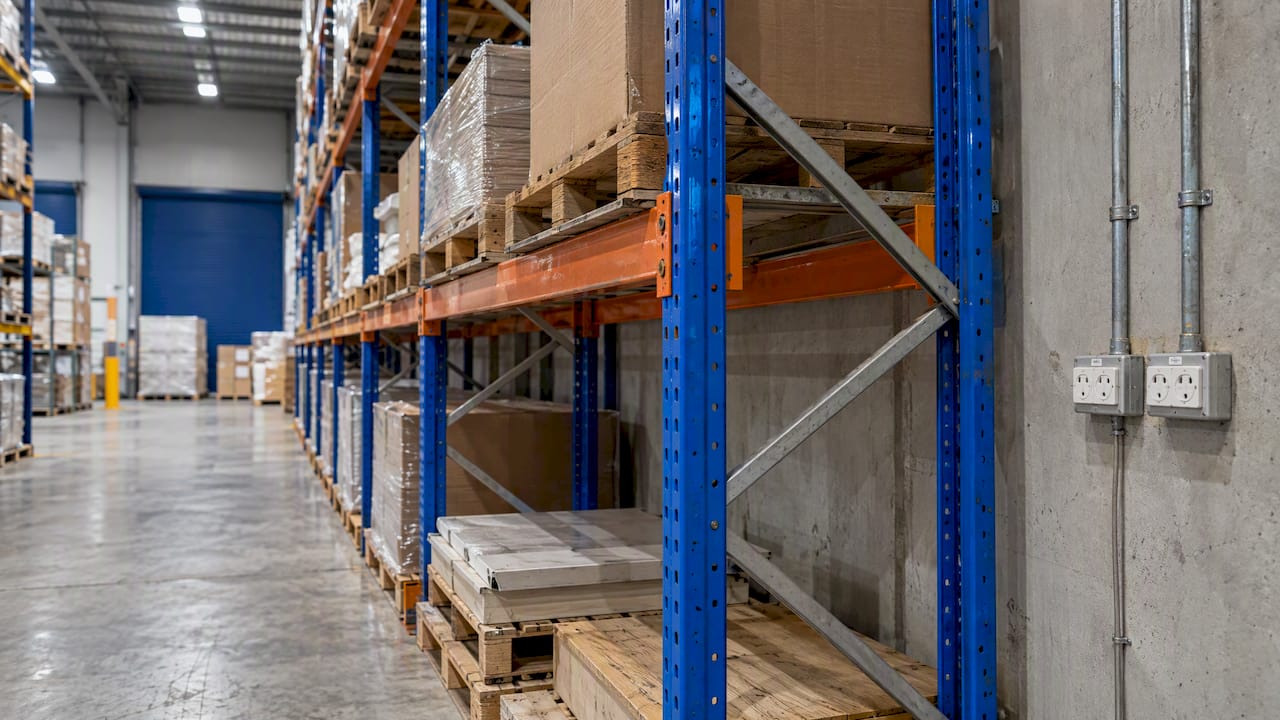
Readiness includes legal and financial readiness. Check notice dates, options, make-good obligations, landlord incentives and any rights to sublease or assign. A move that ignores make-good on the old premises can add a large unplanned cost at exit. For warehouse and industrial space, add access, loading, power and racking considerations. Independent tenant representation is most valuable here, before you are negotiating from a deadline. See our 9 to 12 month tenant representation plan for how that runway looks.
People and culture
Ask staff what they need, not just whether they approve. Business Queensland notes that employees need to understand the change and its rationale, be included in the process, have the skills to adapt and receive support. A short survey plus manager workshops usually surfaces the real issues: commute changes, loss of dedicated desks, noise, parking, caring responsibilities and unclear team agreements.
Technology, operations and logistics
List every system and process that cannot stop, then work back from the cut-over date. IT downtime and make-good risk are the two most common surprises, which is why we recommend a single accountable coordinator, as set out in our move management checklist. Include cabling lead times, security and access control, furniture delivery windows, lift bookings and supplier address changes.
Who to involve in the assessment
An assessment run by property alone misses most of the risk. WGEA’s guidance suggests testing the diagnosis with a wide group: executives, managers, employees, finance staff, diversity practitioners, change managers, IT professionals, and facilities and accommodation teams.
A practical version for a mid-sized business:
- Executive sponsor. Queensland Government guidance on change communication stresses visible sponsorship from senior leaders, continuous communication and early transition activities that involve staff. The sponsor owns the business case and clears blockers.
- Finance. Confirms budget, lease liabilities and make-good provisions.
- IT. Owns the technology readiness list and the cut-over plan.
- HR and people leaders. Own consultation, communication and wellbeing support.
- Facilities. Owns day-to-day operations of the new space, including after handover.
- Team representatives. Staff from different functions who test assumptions and carry messages back.
- Independent adviser. Someone with no interest in a particular building or landlord, who can challenge assumptions and compare options objectively.
Our change impact assessment guide goes deeper on how to map what the move changes for each group.
Turning findings into a move plan
The assessment is only worth doing if it changes what happens next. Here is a simple way to convert findings into a plan.
- Score each area. Use red, amber and green against the questions in the table. Be honest: amber with no owner is red.
- Rank the gaps by consequence and lead time. Cabling and lease approvals have long lead times. Communication gaps can be closed fast but hurt if left.
- Assign an owner and a date to every action. One name, one date.
- Link actions to the timeline. Decisions that must be made before lease signing go first; operational readiness items sit before cut-over.
- Decide your go or no-go criteria. For example: no lease execution until make-good costs are estimated; no cut-over until IT testing is signed off.
- Share a summary with staff. Queensland Government guidance advises leaders to manage the human element of change, turning fears and doubts into a more positive experience. Showing people what you found, and what you are doing about it, is the quickest way to start.
Repeat a light version at intervals, for instance six months out, three months out and four weeks out. Readiness is not a one-off score; it moves.
Planning a soft landing
The soft landings approach comes from the building industry and answers a common failure: a project is delivered, the team walks away, and the occupants are left to work out the building alone. The framework adapted for the region, Soft Landings Framework for Australia and New Zealand, takes a building from inception and briefing through design development, pre-handover and initial aftercare, then extended aftercare and post-occupancy evaluation across the first three years.
The UK Department for Education’s Soft Landings Guide shows how concrete the process can be: monthly aftercare meetings, seasonal commissioning of building systems and performance evaluation reporting over 15 months after completion. RIBA commentary describes the aim as aligning project teams with operational goals and reality-checking design proposals against performance targets, such as energy use and occupant satisfaction.
You do not need a formal framework to borrow the idea. For a tenant moving into a fitted-out office or warehouse, a soft landing means:
- Before handover: involve the people who will run the space in design reviews, so the facilities team can say “that will be hard to maintain” while it is still cheap to change. Agree what operational training and documentation the contractor must provide.
- At handover: walk the space with the building manager, IT and facilities, record defects, and confirm who maintains what. Doors, hardware and access control are among the items facilities teams inherit, and a practical guide to maintenance doors for facility managers can help set up the upkeep routine.
- First weeks: keep the project team available. Run a short daily or weekly issues log, with a named person who fixes problems quickly, such as lighting, temperature, booking systems or noise.
- Months two to six: adjust. Seating ratios, meeting room mix and team zones almost always need refinement once real use begins.
For tenants, the practical benefit is that problems get fixed while the contractor and design team are still engaged, rather than turning into disputes about defects or make-good later.
Checking the new workplace after the move
A move is not finished at handover. Queensland Government guidance recommends a post-occupancy review three to six months after completion, using meetings, interviews, discussion groups or structured surveys. Results are recorded, analysed by category and shared, and issues are identified for rectification, adjustment or refinement. The same guidance defines the review as measuring whether the project satisfied occupants’ needs and whether the design, construction and occupancy processes were effective.
The Property Council of Australia makes a helpful distinction. Commissioning checks whether a building works as specified, while post-occupancy evaluation checks whether it works for the people using it. It adds that perception data and operational measurements are complementary: surveys explain what people experience, and measurement helps explain why.
In practice, compare the outcomes you set in the business case with what you find:
- survey scores on comfort, noise, collaboration and ability to focus;
- utilisation data for desks, meeting rooms and common areas;
- facilities requests and how quickly they close;
- retention, absenteeism and hiring feedback;
- costs against the original budget.
If the numbers and the comments disagree, trust neither alone. Go back to the teams and ask.
Australian responsibilities to account for
A move changes where and how people work, so employer duties apply from the planning stage.
Consultation. Safe Work Australia’s model code guidance describes consultation as sharing information, giving workers a reasonable opportunity to express views and genuinely taking those views into account before decisions are made. For a move, that includes changes to layout, commute, ergonomics, emergency procedures and shared facilities. Check the specific requirements of your state or territory’s work health and safety regulator and, where relevant, your enterprise agreement or award.
Shared duties. Safe Work Australia’s national workplace guidance notes that consultation is continuous and that businesses must coordinate with shared-duty holders such as contractors, landlords and other tenants to manage safety risks. That guidance was written for COVID-19, but the principle suits any move involving contractors on site, shared lifts and loading docks.
Wellbeing. The National Mental Health Commission advises that planning for change should address mental health and wellbeing risks early, with clear communication of timelines helping to reduce stress. Practical steps include publishing the move timeline early, holding Q&A sessions and making support services visible.
For specific legal obligations under your lease, including make-good and notice requirements, take advice from a property lawyer and an independent tenant adviser before you commit.
How we can help
Niche Advisory acts exclusively for tenants and owner-occupiers, never landlords, and we have applied our methodology across sectors for over 12 years. We can run a move readiness assessment as part of workplace strategy, support you through lease negotiation with corporate tenant advocacy, and carry the plan through design, fitout and project and construction management. To talk through your timeline, start at nicheadvisory.com.au.
FAQ
How long does a move readiness assessment take?
The time depends on the size of the organisation and the data available. A small business can often complete the core checks in a few weeks, while a multi-site organisation needs longer for consultation and data gathering. Start at least 12 to 24 months before lease expiry, so the findings can still influence the decision.
What is the difference between a move readiness assessment and a change impact assessment?
Readiness asks whether you are prepared to go ahead: business case, lease, people, systems and governance. A change impact assessment looks at what the move will change for each team and role, so you can plan communication, training and support. They work best together, and our change impact assessment guide shows how.
Who should lead the assessment?
An executive sponsor should own the outcome, with a project coordinator running the work day to day. Many organisations add an independent adviser, because someone outside the business can challenge assumptions and has no stake in a particular building. Involve finance, IT, HR and facilities from the start.
When should the post-move review happen?
Queensland Government guidance suggests a post-occupancy review three to six months after completion. That gives people time to settle while leaving the contractor and design team available to rectify issues. Short issue-log reviews in the first weeks catch urgent problems sooner.
Sources
- Flexibility readiness assessment, WGEA
- State Facilities Workplace Strategies and Space Use Guidelines, Washington State OFM
- Managing people through change, Business Queensland
- Communicating for change, Queensland Government
- Soft Landings Framework for Australia and New Zealand, CIBSE
- Soft Landings Guide, UK Department for Education
- An evolving revolution, RIBA Journal
- Post-occupancy review, Queensland Government
- Measuring workplace performance, Property Council of Australia
- Model Code of Practice, Safe Work Australia
- National guide for safe workplaces, Safe Work Australia
- Managing change and disruption, National Mental Health Commission
- Maintenance doors: practical guide for facility managers