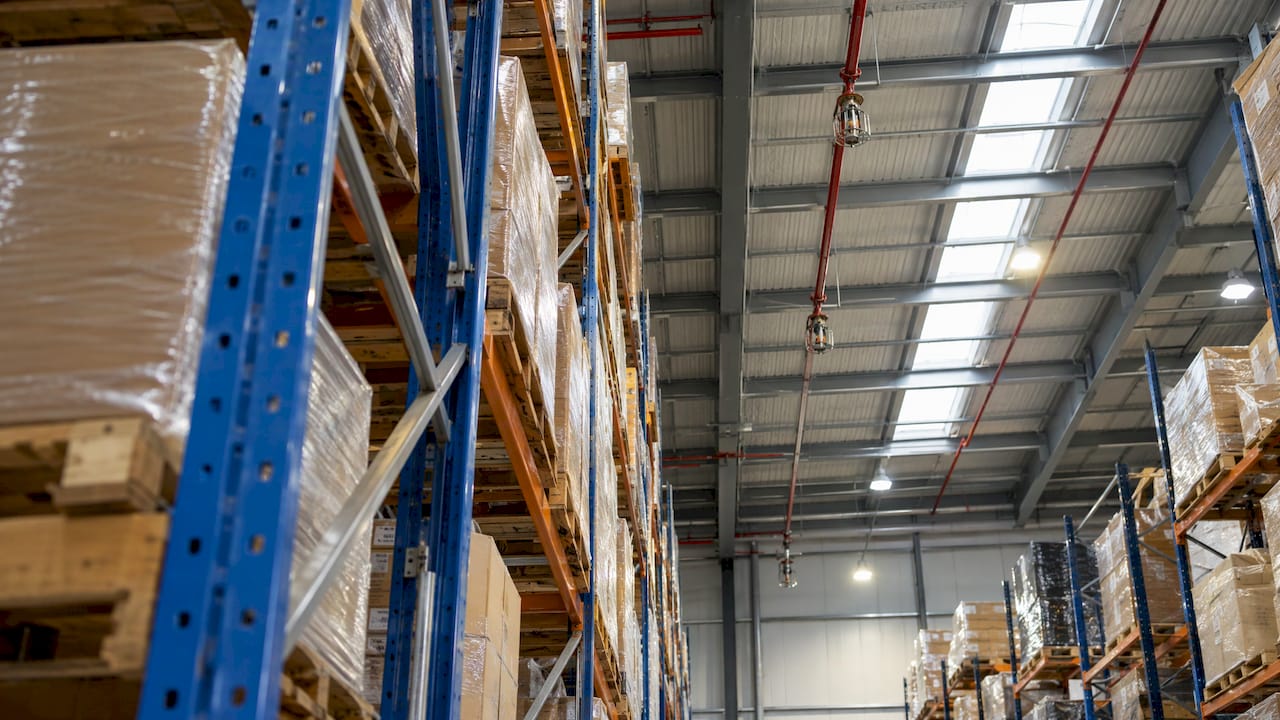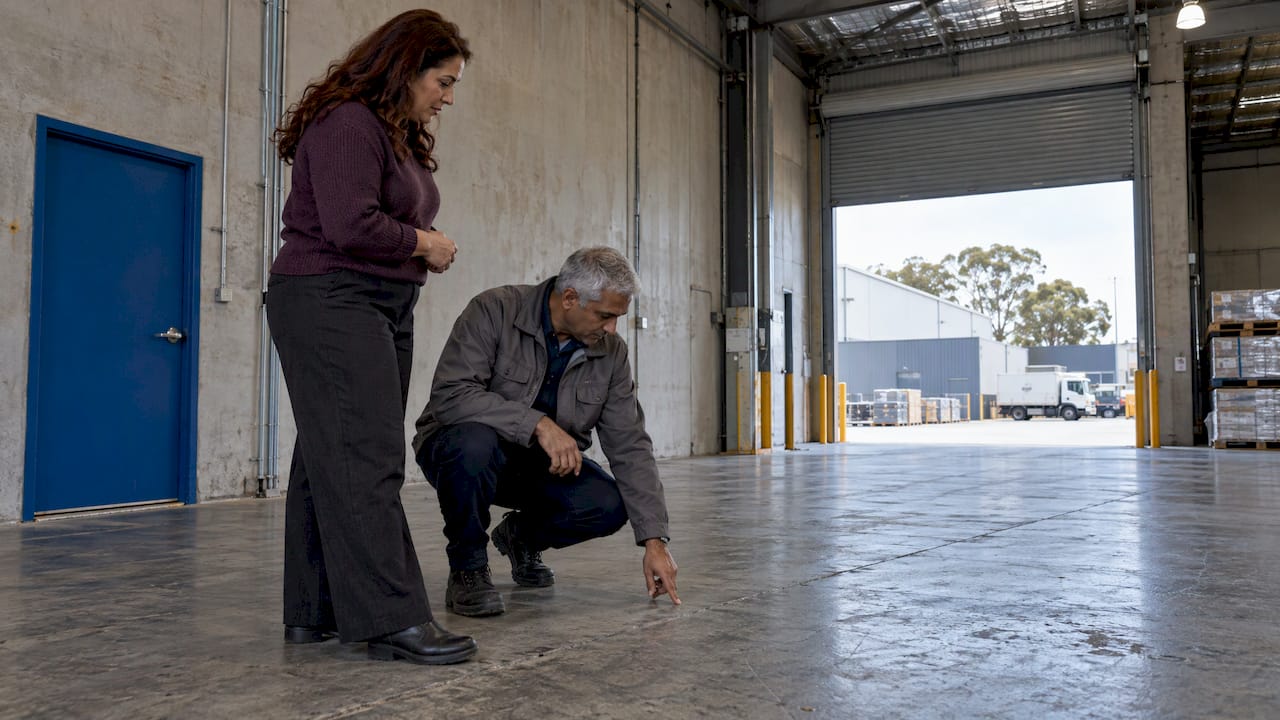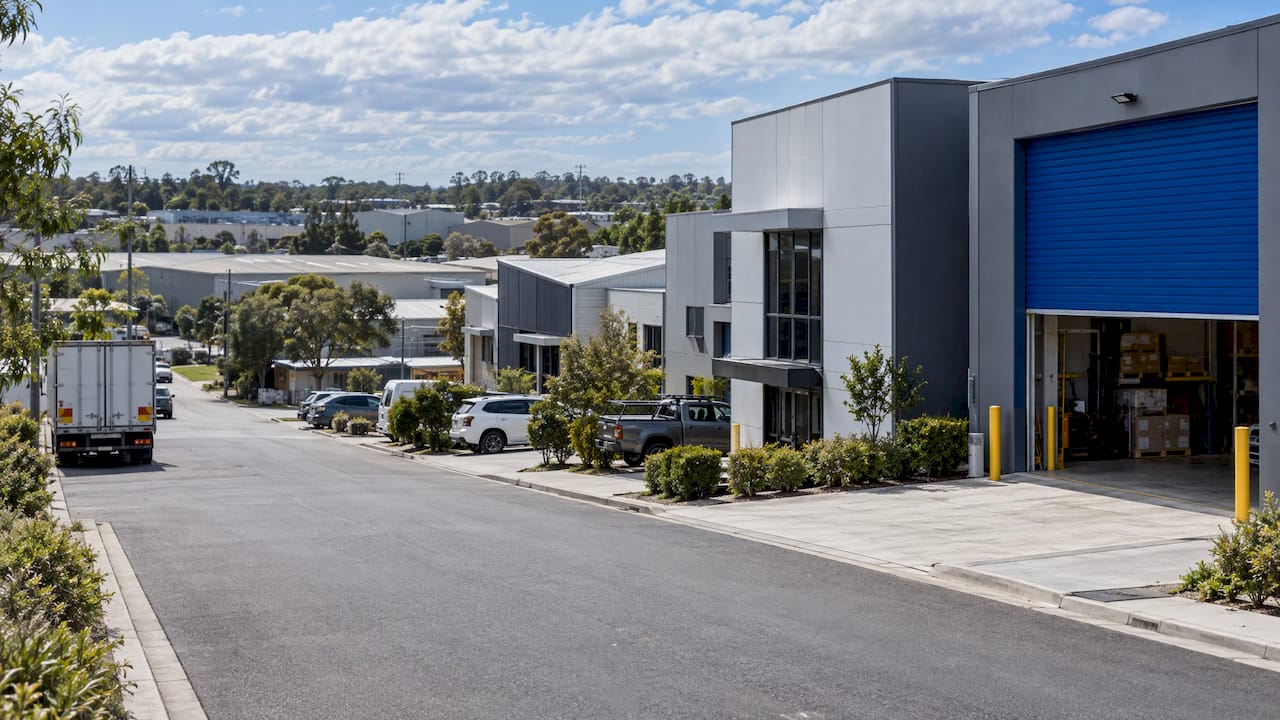
Newcastle’s main industrial estates are Steel River at Mayfield West, Newcastle Business Park in the Port precinct and Hunter Business Park further north-west. They suit different operations, and the right choice depends on freight access, lot size, zoning and what the lease will cost you over its full term. Tenants who work that out before inspecting anything negotiate from a stronger position. At Niche Advisory we act only for tenants and owner-occupiers, never landlords, so this guide is written from the occupier’s side of the table.
TL;DR
- Steel River is a 104-hectare estate in Mayfield West, about 10 minutes from the Newcastle CBD, with fully serviced lots and a direct Pacific Highway connection.
- Hunter Business Park is a larger, newer estate of over 140 hectares, about 20 km north-west of the CBD, with Stage 1 lots available for lease.
- Published figures put Newcastle industrial net rents in the low-to-high $100s per sqm, and one report notes lease renewals can lift rents by 30 to 40%, so lease terms matter as much as location.
- Zoning, lot frontage, vehicle access and labour catchment should be checked before you shortlist a site.
Table of Contents
- The main industrial estates in Newcastle
- Transport and servicing: what the estates offer
- Zoning: what you can actually do on the land
- Site rules that shape your building
- What Newcastle industrial space costs
- How to choose between estates
- Investment shaping the market
- Where a tenant adviser fits
- FAQ
- Sources
The main industrial estates in Newcastle
Steel River, Mayfield West
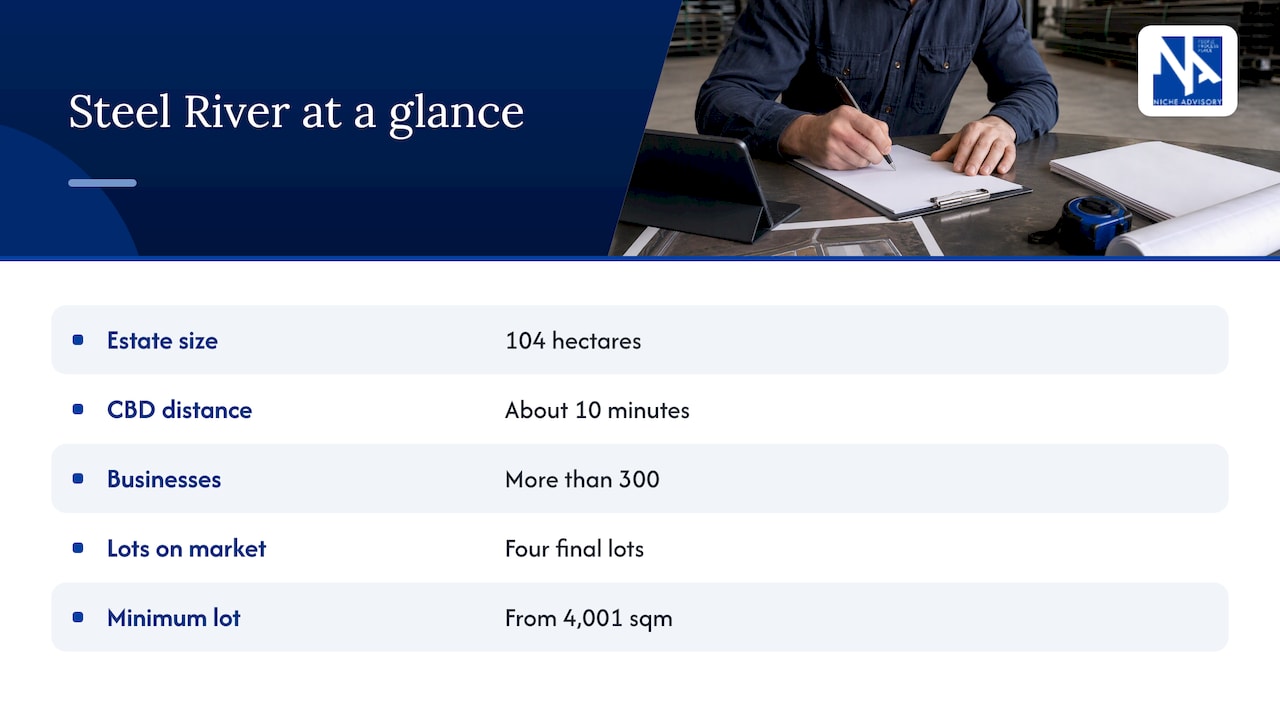
Steel River is a 104-hectare eco-industrial estate bordered by Industrial Drive and Tourle Street, about 10 minutes from the Newcastle CBD and adjacent to the Pacific Highway. It sits on the former BHP steelworks land, which BHP remediated between 1997 and 2000 before the land was sold on for development.
The Newcastle Herald reports the estate has been developed since 1999, with CSIRO Energy Research as its first major occupier, and is home to more than 300 businesses. The Hunter Investment Prospectus lists occupiers including Vulcan Steel, Hitachi, SGS Australia, Hunter Water, Coregas, Bradnam and Australia Post. It also notes the final stage has direct access to Industrial Drive and a completed additional entry from the Pacific Highway.
That last stage is the reason Steel River keeps appearing in searches: the Herald reports four final lots on the market, starting from 4,001 sqm.
Newcastle Business Park
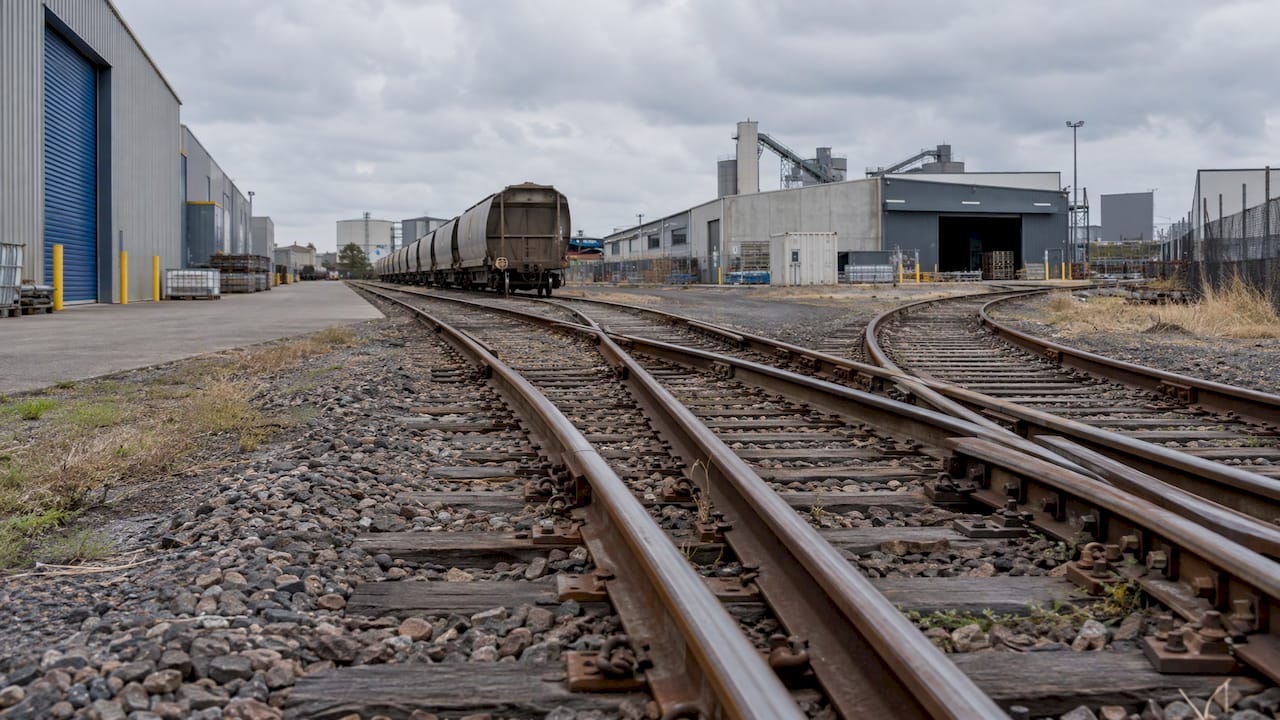
The same prospectus describes Newcastle Business Park as a 35.1 ha site 7 km north-west of the CBD within the Port of Newcastle precinct. It has 115,797 sqm of gross lettable area and active rail spurs. Rail access is the feature that separates it from most other estates and suits operations moving bulk or containerised freight.
Hunter Business Park
Hunter Business Park is a master-planned estate of over 140 hectares and 200 lots across eight stages, with more than 1.7 km of frontage to the M1 Pacific Motorway, about 20 km north-west of the CBD. Stage 1 has 16 lots available for lease from 1,655 sqm, zoned IN2 Light Industrial. Stage 2 is scheduled for release in 2027. Check the park’s own page for the current position, because stage releases move.
Smaller precincts: Mayfield, Beresfield, Hexham
The City of Newcastle’s Employment Lands Strategy rates Port of Newcastle land, Beresfield, Hexham and Mayfield West against each other. It notes Mayfield West land prices are around double those in Beresfield, a useful reminder that a cheaper suburb can carry the same freight advantage for some operations.
Transport and servicing: what the estates offer
For a logistics or manufacturing tenant, access decides daily cost. Steel River’s advantages page states:
- lots are serviced with electrical power, potable water, sewerage and telecommunications, with natural gas and fibre optics available on demand;
- the Port of Newcastle and its rail facilities are 5 minutes away;
- Newcastle Airport is 15 minutes away and the CBD 10 minutes.
Beyond the estate, the Hunter Investment Prospectus describes the Port of Newcastle as the largest port on Australia’s east coast, carrying over 25 types of cargo. It puts the M1 Motorway link to Sydney at about 2 hours (160 km), Brisbane at 768 km and Melbourne at 1,026 km. Newcastle Airport opened a terminal expansion on 1 August 2025.
If you are relocating from Sydney, that two-hour M1 link is the practical test: can your Newcastle site serve Sydney customers on a same-day basis?
Zoning: what you can actually do on the land
Zoning decides whether your use is permitted, and it differs by estate. Under the Greater Newcastle Metropolitan Plan 2036:
- Steel River’s local plans are to be aligned to facilitate engineering, research and high-tech manufacturing.
- Freight and logistics uses are promoted in Beresfield–Black Hill and Newcastle Port.
- Mayfield North and Mayfield Freight and Logistics precincts are protected from retail, bulky goods and residential uses.
- Hunter Business Park’s IN2 Light Industrial zone allows, with consent, uses such as warehouses, distribution centres, depots, freight transport facilities and light industries.
“With consent” means the council must approve your specific use. Build that approval time into your relocation timeline.
Site rules that shape your building
If you plan to build or fit out a purpose-designed facility, the controls matter. The Steel River design guidelines set out:
- a 3,000 sqm minimum allotment;
- lot coverage up to 70% of the lot;
- a floor space ratio of 1.5:1 at most;
- a 10 m street-front setback and 6 m side and rear setbacks;
- street-front building heights generally of 6.5 to 12 m.
The City of Newcastle’s subdivision controls require a minimum 60 m frontage in Steel River, with no direct access from Industrial Drive, Tourle Street or the Pacific Highway. Subdivision design must allow PBS Level 3 vehicles (heavy combinations up to 36.5 m long) to reach the lots. Those are figures to put in front of whoever designs your yard and loading docks.
What Newcastle industrial space costs
Published market figures vary by source and by period, which is itself a lesson: treat any single number as a range, and test it against a quote for your own building.
| Measure | Hunter Investment Prospectus (November 2025) | Raine and Horne Commercial H2 2026 Insights |
|---|---|---|
| Net rent per sqm | $175 to $220 | $150 to $240 |
| Yield | 5.75% to 6.25% | 5.5% to 6.5% |
| Vacancy | Below 5% (properties over 1,000 sqm) | 10% to 15% |
Sources: Hunter Investment Prospectus and Raine and Horne Commercial. These figures are published for their periods and move with each new release.
The prospectus also reports lease-renewal rent increases of 30 to 40%, incentives averaging 5 to 8%, and land sale rates of $500 to $1,000 per sqm plus GST for 5,000 sqm lots, with the most sought-after land sizes between 5,000 and 15,000 sqm.
A recent Steel River example: a Commercial Collective release describes a 1,772 sqm building on a 4,693 sqm site leased at $398,000 net per annum plus GST for three years with a three-year option. It also puts Steel River vacancy below 4%. Divide the rent by the building area and you get roughly $225 per sqm, inside the published ranges.
The renewal figure is the one most tenants overlook. If your lease is nearing expiry, a 30 to 40% reset is a budget event, and it is far easier to manage when you start 9 to 12 months out. Our tenant representation plan sets out that timeline, and landlord incentive negotiation covers how incentives are pursued.
How to choose between estates
The Employment Lands Strategy lists the factors that influence precinct suitability: access to major roads, proximity to the Port, proximity to other industrial businesses, proximity to population and the city centre, public transport and lot sizes. Turn those into a short scorecard for your own operation:
- Freight pattern. Port or rail dependence points to Newcastle Business Park or the Port precinct. Road freight along the M1 favours Steel River or Hunter Business Park.
- Labour. Steel River’s overview cites access to labour in Newcastle, Maitland and Port Stephens. A site 20 km out changes commute times for your staff.
- Lot and building size. Steel River’s minimum 3,000 sqm lot suits larger users, while Hunter Business Park lots start from 1,655 sqm.
- Use and zoning. Confirm your use is permitted, and whether it needs consent.
- Total occupancy cost. Rent, outgoings, incentives, make-good obligations and the renewal reset together.
- Neighbours. Engineering and research clusters at Steel River suit some businesses and not others.
The same strategy, prepared by SGS Economics and Planning, expects heavy industrial demand to decline and light industrial demand to rise over 2016 to 2036, and says small, centrally located precincts are becoming more valuable for delivery speed. Tight supply is why vacancy in the Port suburbs has been reported at 1% or less in some areas, so a shortlist needs to move quickly.
Investment shaping the market
Commercial Collective points to the $2.1 billion M1 Pacific Motorway Extension to Raymond Terrace, Port of Newcastle expansion, Newcastle Airport upgrades and Ausgrid’s battery energy storage system as supports for long-term demand. Raine and Horne’s H1 2026 Insights cite a $115.5 million NSW Government logistics hub near the Port of Newcastle. For a tenant, this means demand pressure on the best-located stock is likely to continue, which strengthens the case for negotiating early and securing options.
Where a tenant adviser fits
The estates are marketed by agents and landlords, who act for the owner. Niche Advisory acts exclusively for tenants and owner-occupiers, never landlords, and offers fully independent advice. Our Corporate Tenant Advocacy covers property search and lease negotiation, and the wider Corporate Real Estate service links those decisions to your business strategy. If you are weighing a move into Newcastle from Sydney or from overseas, we can run the search, the negotiation, the fitout through project and construction management, and the make-good at the end of the lease. Contact us through our website to discuss your requirements.
FAQ
Where is Steel River industrial estate?
Steel River is in Mayfield West, bordered by Industrial Drive and Tourle Street and adjacent to the Pacific Highway. It is about 10 minutes from the Newcastle CBD and 5 minutes from the Port of Newcastle.
Are there lots available at Steel River?
The Newcastle Herald reported four final lots on the market in September 2025, starting from 4,001 sqm, with direct access to Industrial Drive and a new Pacific Highway entry. Availability changes, so confirm the current position before planning around a specific lot.
What can I operate at Steel River?
Steel River’s 4© zoning aims to facilitate employment-generating industrial, research, service or storage activities, and local plans are aligned toward engineering, research and high-tech manufacturing. Check your specific use with City of Newcastle before committing.
How far is Hunter Business Park from Newcastle?
It is about 20 km north-west of the Newcastle CBD, with more than 1.7 km of frontage to the M1 Pacific Motorway. Stage 1 lots are available for lease from 1,655 sqm.
Sources
- Steel River overview
- Steel River advantages
- A Concise Overview of the Steel River Project
- Hunter Investment Prospectus
- Newcastle Herald: final lots at Steel River
- Hunter Business Park overview
- Newcastle Employment Lands Strategy (2019)
- Newcastle Employment Lands Strategy, vacancy figures
- Greater Newcastle Metropolitan Plan 2036
- City of Newcastle subdivision controls
- Raine and Horne Commercial H2 2026 Insights
- Raine and Horne Commercial H1 2026 Insights
- Commercial Collective: Steel River Estate release